
Project Type
Content Creation & Equipment Evaluation
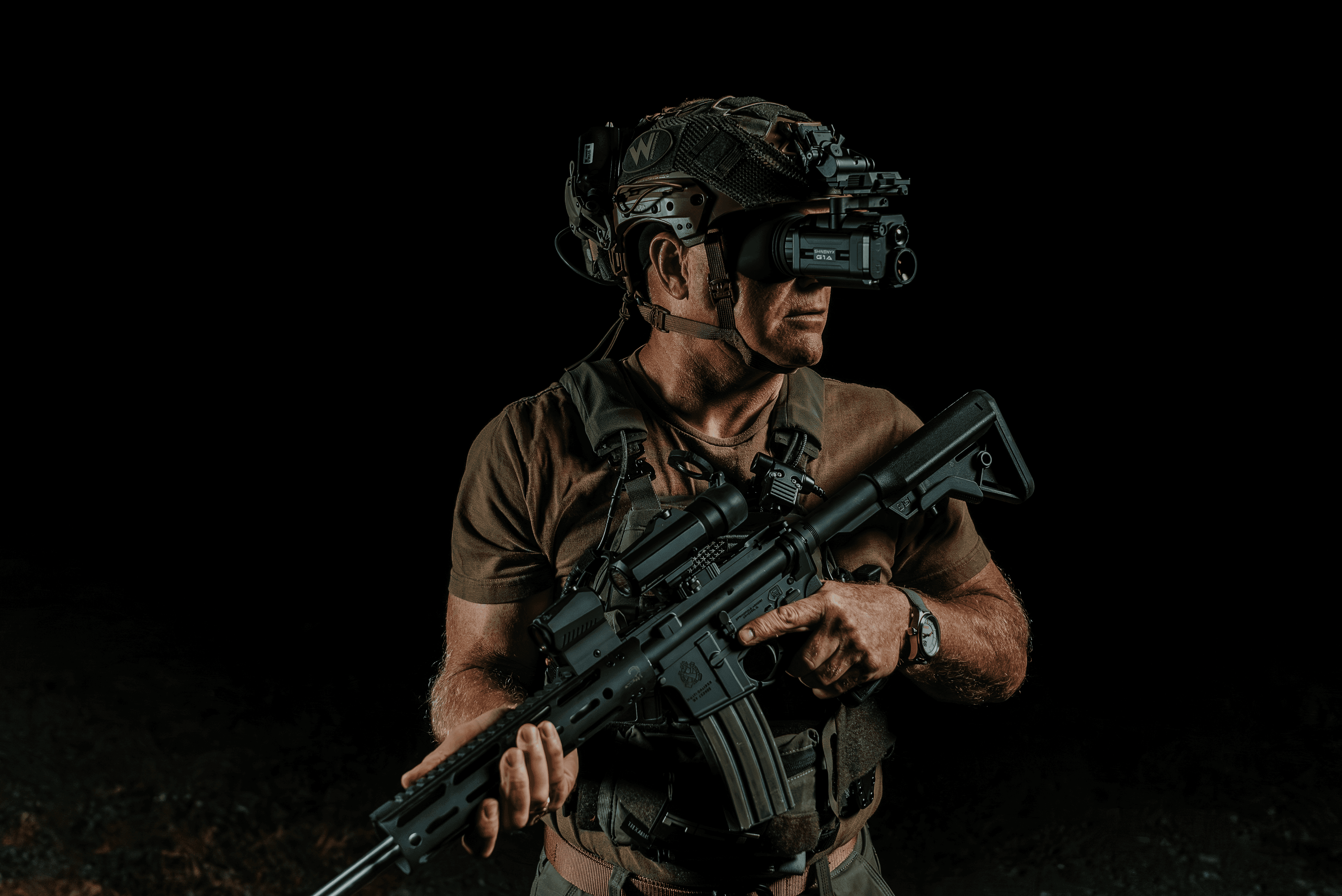
We produced a hands-on written review and evaluation of the Shinenyx G1A, focusing on what makes it different: true thermal + digital night vision fusion in a compact, multi-role monocular.
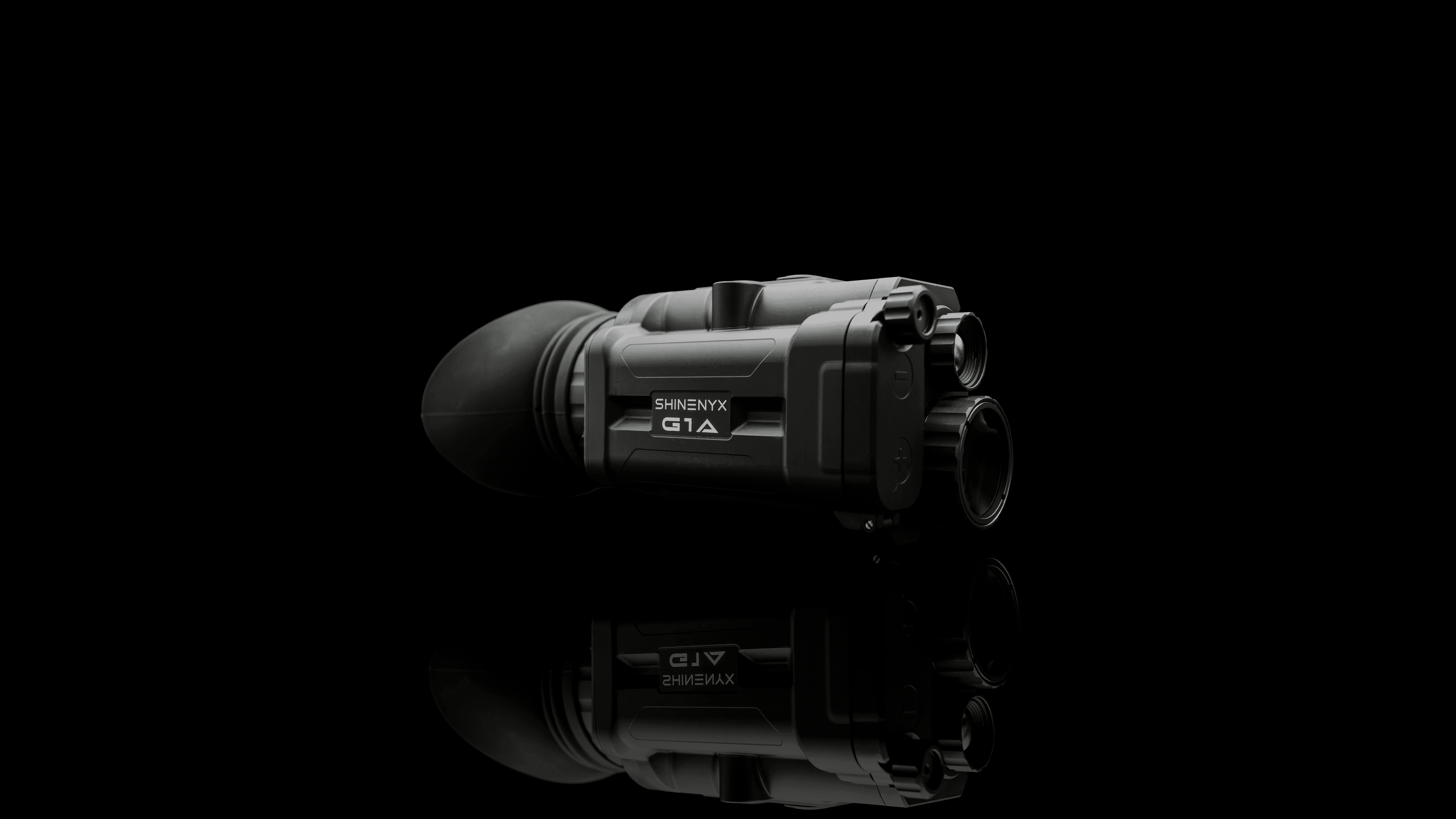
Brief
Solution
We built a practical, user-relevant test plan that mirrors how fusion optics are actually used, then documented results in a detailed review supported by measured range data and field observations.
Configured and tested three roles: handheld scanning, helmet-mounted navigation, and rifle-mounted behind a 1X red dot Compared viewing modes: NV-only, thermal-only, and fused overlay (F.I.T.), including RTO target outlining behavior Conducted detection vs PID testing at 150/100/50 yards using a rangefinder with human and dog subjects Evaluated real-world field performance on wildlife, including scanning and identification in open terrain Assessed usability factors that matter at night: wide field of view, screen clarity, control simplicity, and battery endurance Captured supporting stills and wrote the longform review with clear takeaways and fit-for-purpose recommendations
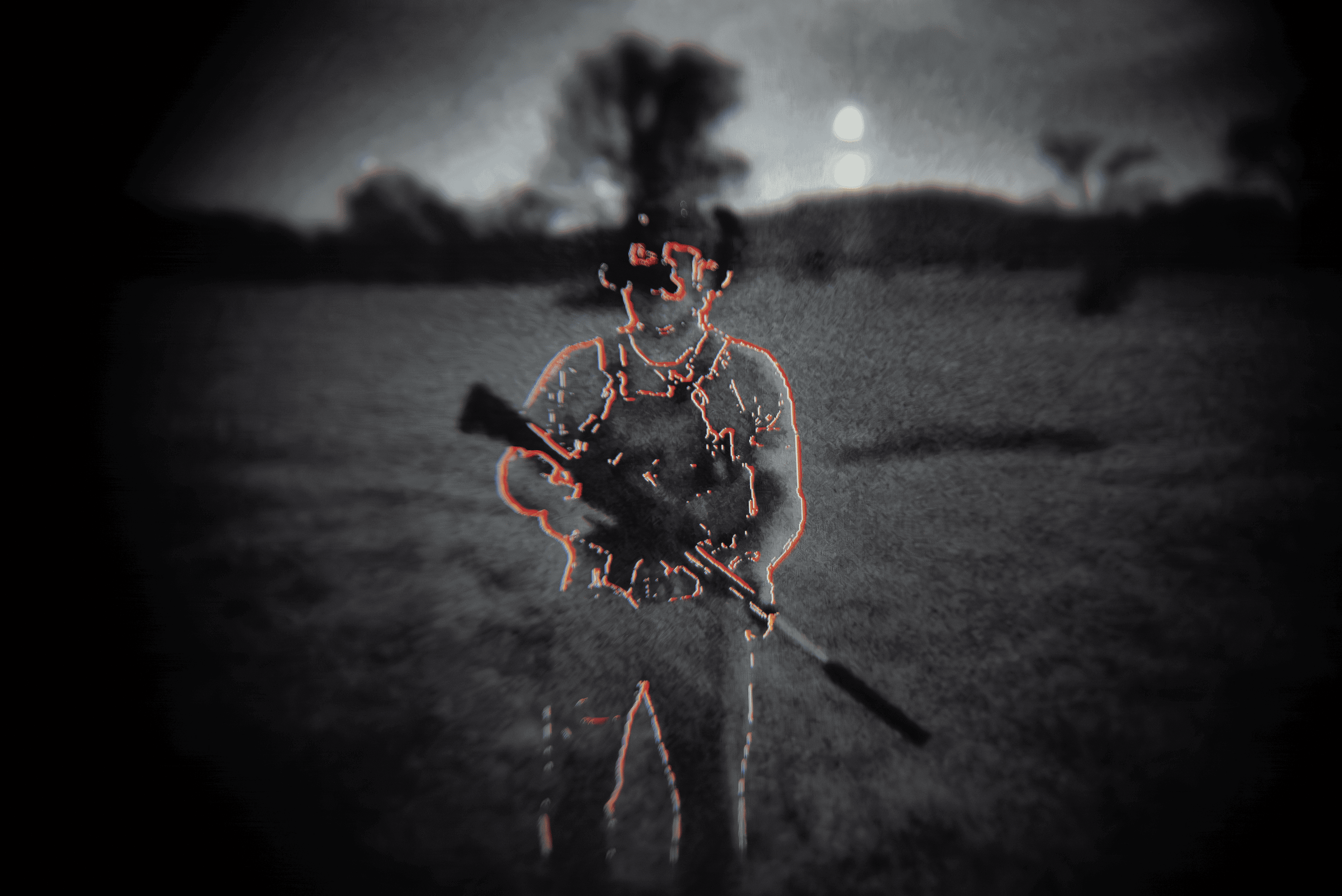
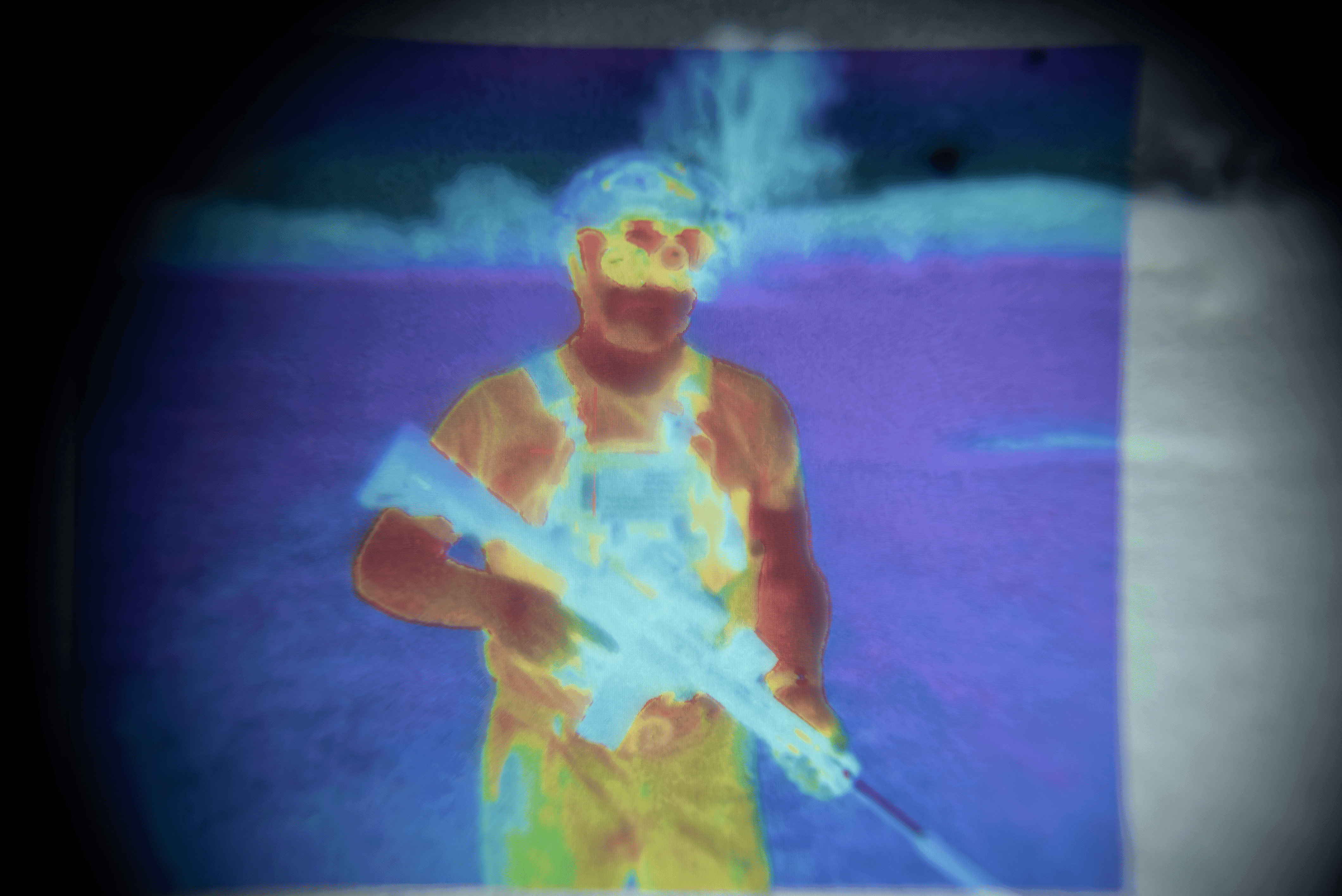

Results
The G1A delivered on true fusion performance with standout field of view, strong low-light clarity, and intuitive controls, making it an excellent close-to-mid range tool for scanning, navigation, and target detection.
Across handheld, helmet-mounted, and rifle-mounted testing, the G1A delivered on its core promise, true thermal + digital NV fusion in a compact unit that improves detection while keeping terrain context and obstacles visible. Its wide field of view and simple controls made it easy to run in real night conditions, and our distance testing confirmed strong detection at range with positive identification becoming most reliable inside closer distances. The main limitations we noted were the lack of onboard recording and an integrated rangefinder, which may matter more for hunting than SAR or LE use.


Credits
Special thanks to Defenders and Disciples for providing the kit that helped make this field evaluation possible.